Brain Games for Elderly Adults That Encourage Joy and Mental Focus
Brain games for elderly adults are fun activities like matching cards, word puzzles, trivia, and simple logic games that help keep your mind active and alert. Research shows that games such as crossword puzzles and number puzzles may improve memory, attention, and reasoning in adults 50 and older. One long-term analysis by Jagan A. Pillai found that older adults who regularly did crossword puzzles experienced a delay of about 2.5 years in the start of accelerated memory decline compared with those who did not engage in puzzles.
Keeping your mind active matters because aging can bring slower thinking and memory challenges. In this article, you'll learn why brain games matter, see a variety of easy game ideas, and discover how these activities can help with memory support and joyful senior engagement in Cedar Park, TX.
What Are the Best Brain Games for Older Adults?: Types of Brain Games for Elderly Adults
You can try different types of activities to keep your mind sharp and improve mental focus. Matching games are a simple way to train your memory by pairing cards, pictures, or objects. They are easy to adjust so you can make them harder as you improve. Regularly practicing these games helps your brain recognize patterns faster and stay alert.
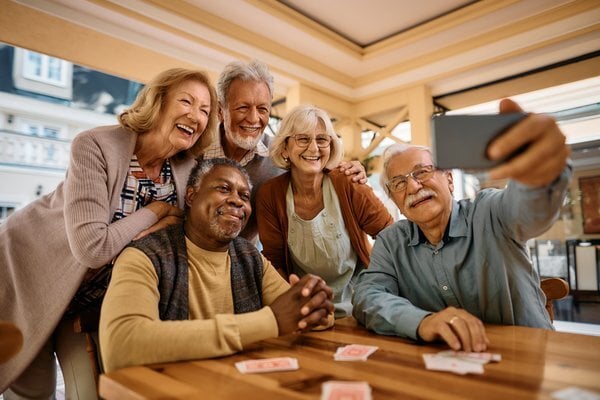
Word puzzles are another great option, including crosswords and word searches. They challenge your vocabulary and help you concentrate on details. Playing them with friends or family can add a social element that makes the activity more enjoyable.
Trivia games test what you already know while encouraging your brain to recall information quickly. You can play in a group setting or on your own using books or apps. These games also provide a fun way to learn new facts while keeping your mind active.
Strategy games like checkers, simple chess, or logic puzzles push you to plan and make decisions. They stimulate problem-solving skills and encourage longer periods of mental engagement. Including a mix of these activities in your routine strengthens your thinking and memory over time.
Why Brain Games Matter for Seniors
Brain games help your mind stay active as you age by encouraging different parts of your brain to work harder and stay connected. When you take part in mentally stimulating activities like puzzles and games, your brain may strengthen neural pathways and support healthier brain chemistry linked to memory and attention. Studies have found that older adults doing these types of activities have healthier levels of brain messengers important for learning and remembering.
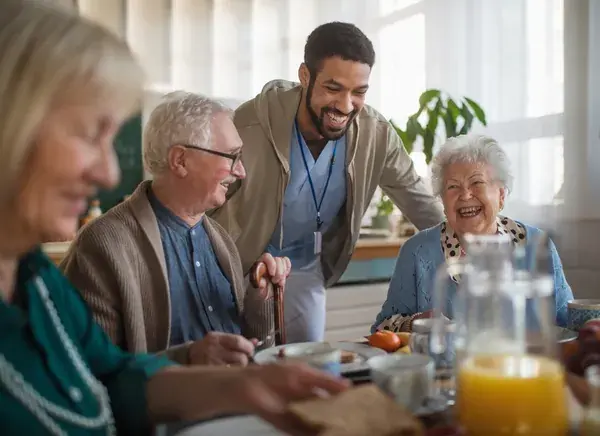
Playing games also draws you into social interactions if you play with others or join group activities at community centers. Shared play keeps you connected with friends and family while giving your mind more chances to stay active and engaged. Senior engagement through play can boost your mood and emotional health while your brain functions stay challenged and supported.
How to Incorporate Brain Games Into Daily Life
You can add brain games for elderly into your routine without spending a lot of time or effort. Set aside 10 to 20 minutes a day to do a puzzle, play a trivia game, or try a logic challenge. Small, regular sessions are better than long, occasional ones. Consistent practice helps your brain stay active and improves your memory and focus over time.
Pairing games with social activities can make them even more enjoyable. Invite a friend or family member to play word games, card matching, or trivia with you. Sharing the experience keeps you motivated and adds a sense of connection.
Technology can also help you fit games into your day. Apps and online platforms offer a variety of puzzles, memory games, and quizzes that are easy to access from home. Using digital tools can keep your brain challenged while making learning new things fun and interactive.
Finally, try to vary the types of games you play so your mind works in different ways. Rotate between word puzzles, memory challenges, and strategy games. Mixing activities keeps your routine fresh and prevents boredom. A diverse approach strengthens multiple brain skills while keeping you engaged and entertained.
Frequently Asked Questions
What Age Is Ideal to Start Brain Games for Elderly?
You can start playing brain games for elderly at any age, even in your 60s or 70s. The earlier you begin, the more benefits your brain can gain over time. Starting later still provides mental stimulation and can help maintain current memory and thinking skills.
Can Brain Games for Elderly Help With Everyday Tasks?
Yes, practicing puzzles, word games, and logic challenges can improve attention, problem-solving, and memory. These improvements often carry over into daily activities that help maintain independence, like managing finances, remembering appointments, or following recipes.
Are There Brain Games Suitable for Senior Living Communities?
Absolutely. Group activities like trivia sessions, word searches, or matching games are perfect for senior living settings. They encourage cognitive wellness while promoting social interaction and community engagement. Many senior communities and centers also have clubs for senior games and activities specifically designed for mental stimulation.
How Often Should I Play?
Daily practice is ideal, even if it's only 10-20 minutes at a time. Consistency matters more than duration, and alternating types of games can give your mind a complete workout. Short, regular sessions keep your brain active and provide long-term cognitive benefits.
Can Technology Be Used for Brain Games for Elderly?
Yes, apps, tablets, and online platforms offer a wide range of brain games for elderly that are interactive and easy to use. Digital tools can track your progress and introduce new challenges as your skills improve.
Keep Your Mind Active and Engaged
You can take simple steps each day to challenge your brain and keep your mind sharp. Regularly practicing brain games for elderly helps you stay confident, engaged, and mentally alert.
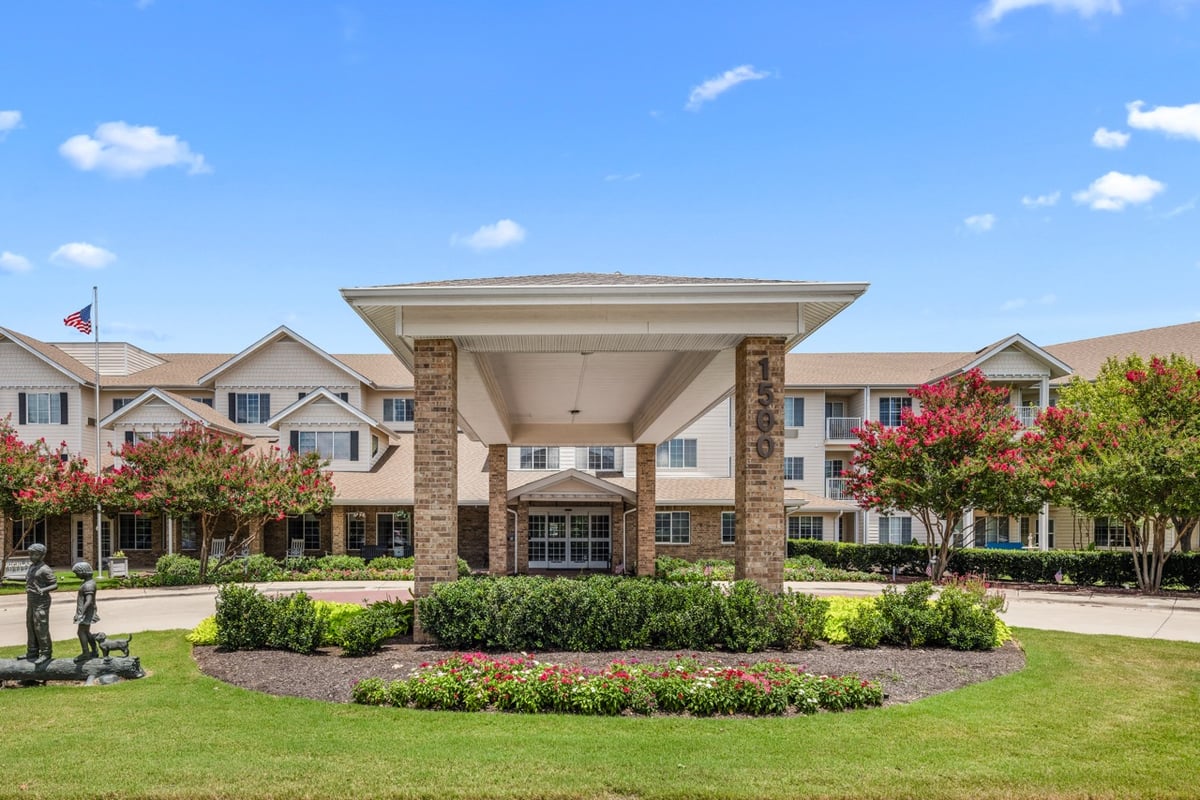
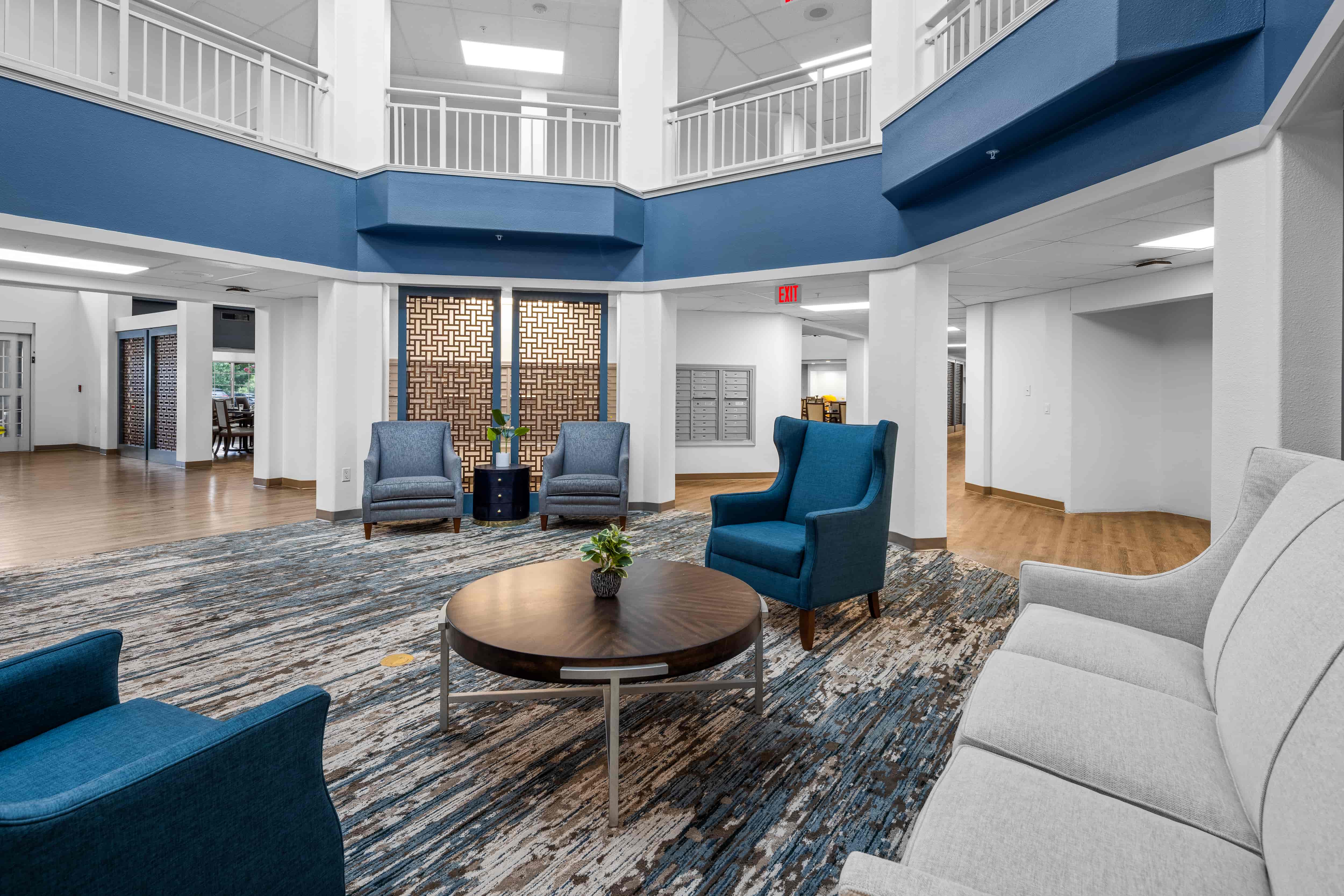
At Highland Estates Senior Living, we understand the importance of both mental stimulation and social connection for seniors. Our community offers dedicated spaces for games and activities, including board games, puzzle sessions, and interactive workshops designed to encourage engagement and joy. You can enjoy a safe, welcoming environment while staying active and connected with others who share your interests.
Schedule a tour and see how our personalized programs, comfortable living spaces, and supportive staff can make a difference in your daily life.